

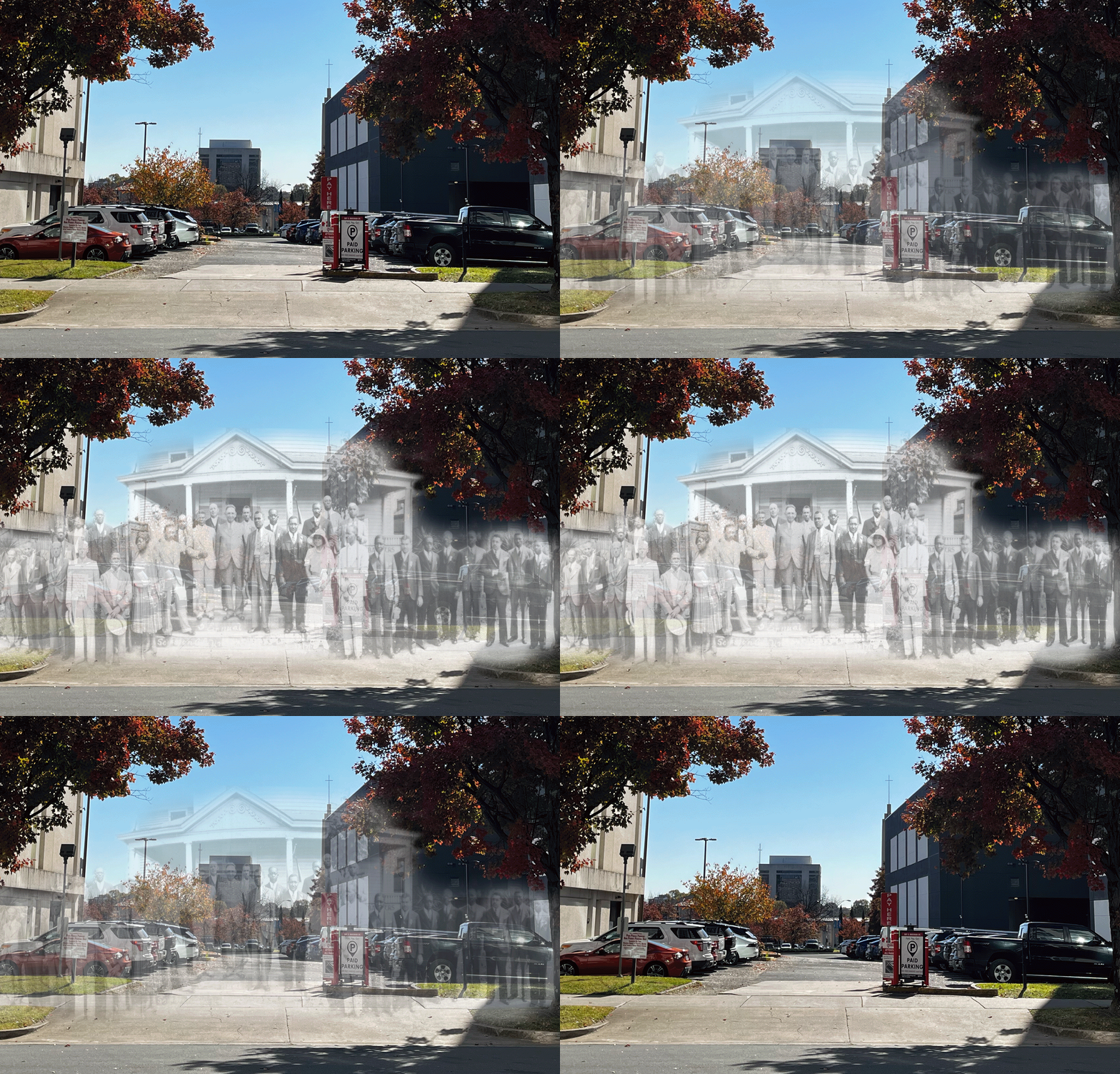
Origins of the Alexander Funeral Home
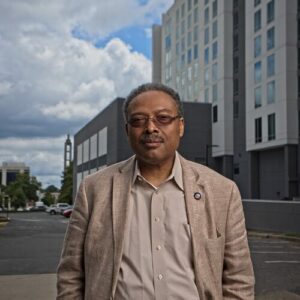
Kelly Alexander, Jr. shares how his grandfather, Zechariah Alexander, Sr., founded Alexander Funeral Home.
Transcript: Well the family was in the funeral business. My grandfather had been an insurance agent and worked for North Carolina Mutual. In fact, he ran the district. And somewhere along the way, he got involved with Cox and Coles, who were undertakers. That’s what they called them, you know, back in the 1890s.
Speaking Out Against Injustice
Kelly Alexander, Jr. explains how, as a family business dependent on the Black community, his grandfather, Zechariah Alexander, Sr., and father, Kelly Alexander, Sr., were able to speak out against injustice.
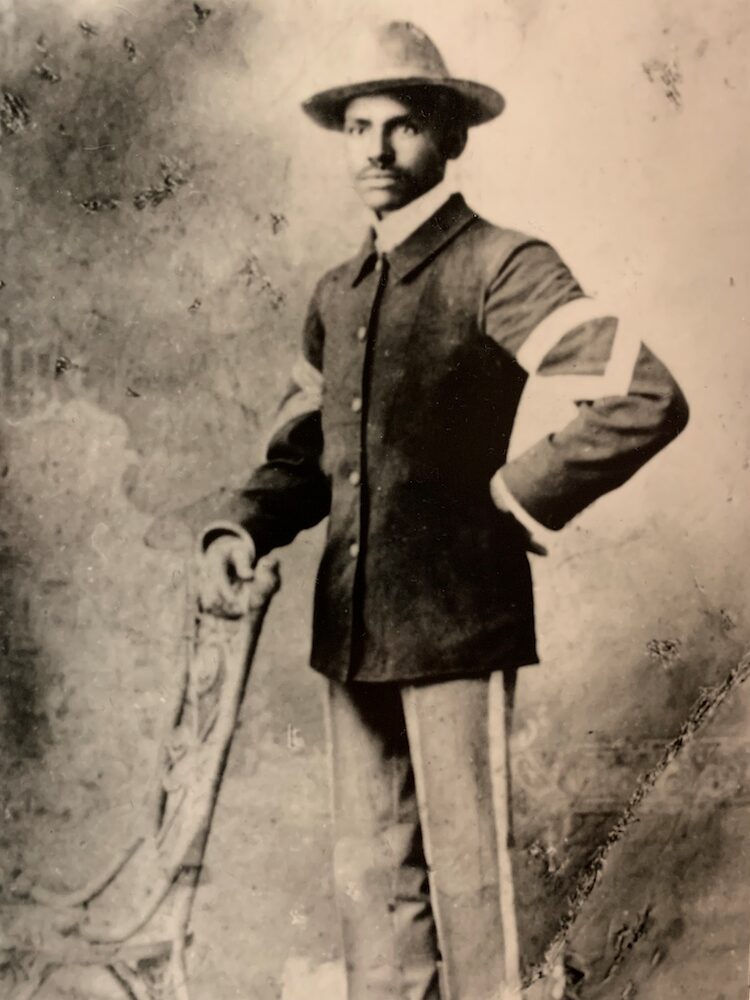
Zechariah Alexander, Sr.
Zechariah Alexander was born March 1, 1877, in Charlotte to Martha King and Andrew Alexander. He attended Myers Street Graded School and later Biddle University, where he graduated in 1896.
Alexander briefly worked in the building trades and as a bookkeeper for the W.H. Houser Brick Company before joining the United States Military. He served in the Spanish American War as regimental Sergeant Major in the all-Black North Carolina Volunteers’ Third Regiment. Following his service, in 1902, he began a twenty-five-year career with North Carolina Mutual Life Insurance Company, eventually rising to the position of district manager.
In 1905, following the death of Thomas B. Smith, a partner in Coles & Smith Undertakers, Alexander assumed Smith’s partnership responsibilities. Upon retirement from NC Mutual, Alexander bought Sid Cole’s share of the business, and it became Alexander Funeral Home Incorporated.
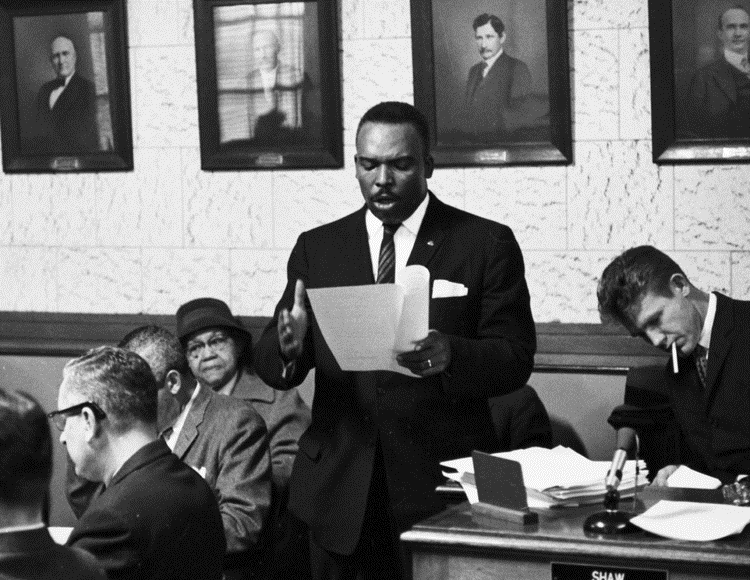
Kelly M. Alexander, Sr.
Kelly Alexander, Sr. was born in Charlotte on August 18, 1915. He was the youngest of four sons of Zechariah and Louise B. McCullough Alexander. Alexander attended public schools in Charlotte and graduated from Second Ward High School, where he earned the nickname “Ship-wreck Kelly” for prowess on the football field. He graduated from Tuskegee Institute and shortly afterward enrolled in Renouard College of Embalming in New York City.
Alexander returned to Charlotte in 1939 to help run the family mortuary service. Like his father, Alexander invested in securing first-class citizenship rights.
In 1940, he reorganized a defunct chapter of the NAACP, and, in 1946, Alexander married Margaret Gilreece Alexander. In 1948, he was elected president of the North Carolina State Conference of NAACP Branches. Under his leadership, state branches flourished to over 120 branches and 30,000 members. In the 1950s, Alexander unsuccessfully ran for the Charlotte City Council on two occasions. In 1965, his home and those of his brother Fred, lawyer Julius Chambers, and activist Reginald A. Hawkins were bombed.
Throughout this period, Alexander continued to rise in the ranks of the NAACP’s national leadership. In 1950, he was elected to the National NAACP Board of Directors and, in 1976, he was elected vice chair of the National Board. In June 1983, Alexander served as acting chair before being elected chair in January 1984. Alexander, Sr. died on April 2, 1985.
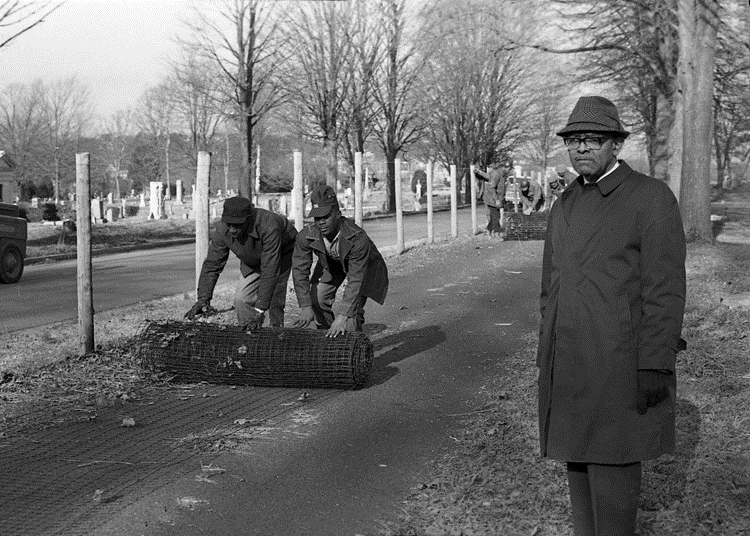
Frederick Douglas Alexander
Fred Alexander was born in Charlotte, N.C. on February 21, 1910. He was one of four sons of Zechariah and Louise Bates McCullough Alexander. Fred attended Charlotte’s public schools and graduated from Second Ward High School in 1926 and from Lincoln University in 1931.
Afterwards, he returned to work for the family mortuary service and, like his father, was involved in the civic advancement of the Black community. Alexander sought to increase the political and economic influence of African Americans. In 1949, he served as executive secretary of the Citizens Committee for Political Action, an organization that grew out of the local NAACP.
During the 1950s and early 1960s, Alexander’s political influence increased throughout the region. He was a charter member of the Charlotte-Mecklenburg Council on Human Relations and was elected to the Southern Regional Council, an organization devoted to promoting racial equality. In 1962 and 1963, Alexander became the first Black member of the Charlotte Chamber of Commerce and the Mecklenburg County Board of Public Welfare. In 1964, he became a member of the Mecklenburg County Democratic Executive Committee, and the following year he won election as Charlotte’s first Black city council member since the 1890s.
In November 1965, the homes of Alexander, his brother Kelly, attorney Julius Chambers, and dentist Reginald Hawkins were bombed by unknown terrorists. As a council member, he worked to secure the passage of an anti-discrimination ordinance and the removal of the fence separating the Black Pinewood and the white Elmwood cemeteries. In 1971, Alexander became Charlotte’s first Black mayor pro tem, and in 1974, was elected to the North Carolina Senate from the 22nd district. Alexander died on April 13, 1980.
