Sweet tea might be the most southern beverage a person can drink. Stacy Lynn Harris, host of The Sporting Chef, has an easy sweet tea recipe. Harris’s recipe requires four family-sized tea bags, 1.5 cups of sugar, a pinch of baking soda, and lemon slices for garnish. In a saucepan, heat a quart of water until it almost reaches a boil, then remove from the heat. Then, add four tea bags to the water, and steep for 20 minutes. Remove those tea bags, put the sugar in a gallon-sized pitcher, and pour roughly half of the hot tea over the sugar. Stir to dissolve the sugar. From there, pour the remaining tea into the pitcher and stir, adding a pinch of baking soda and cold water to fill the pitcher. The sweet tea is now ready to serve and can be garnished with things like fresh lemon slices or mint sprigs. For those wondering, the baking soda prevents the tea from becoming cloudy, and boiling the water used for sweet tea can make the tea bitter.
Tea was first introduced to North America by Dutch colonizers in 1640, where it became an essential part of the diets of wealthy households in New Amsterdam (New York). It is worth noting that at this time, it is more expensive than coffee. Most green tea originated from China, and tea was often sweetened before the beverage gained popularity in the U.S. South. The southern colonial elites, much like their northern counterparts, enjoyed sweetened hot tea. This form of sweet tea is very different from the sweet tea that southerners have now come to know and love.
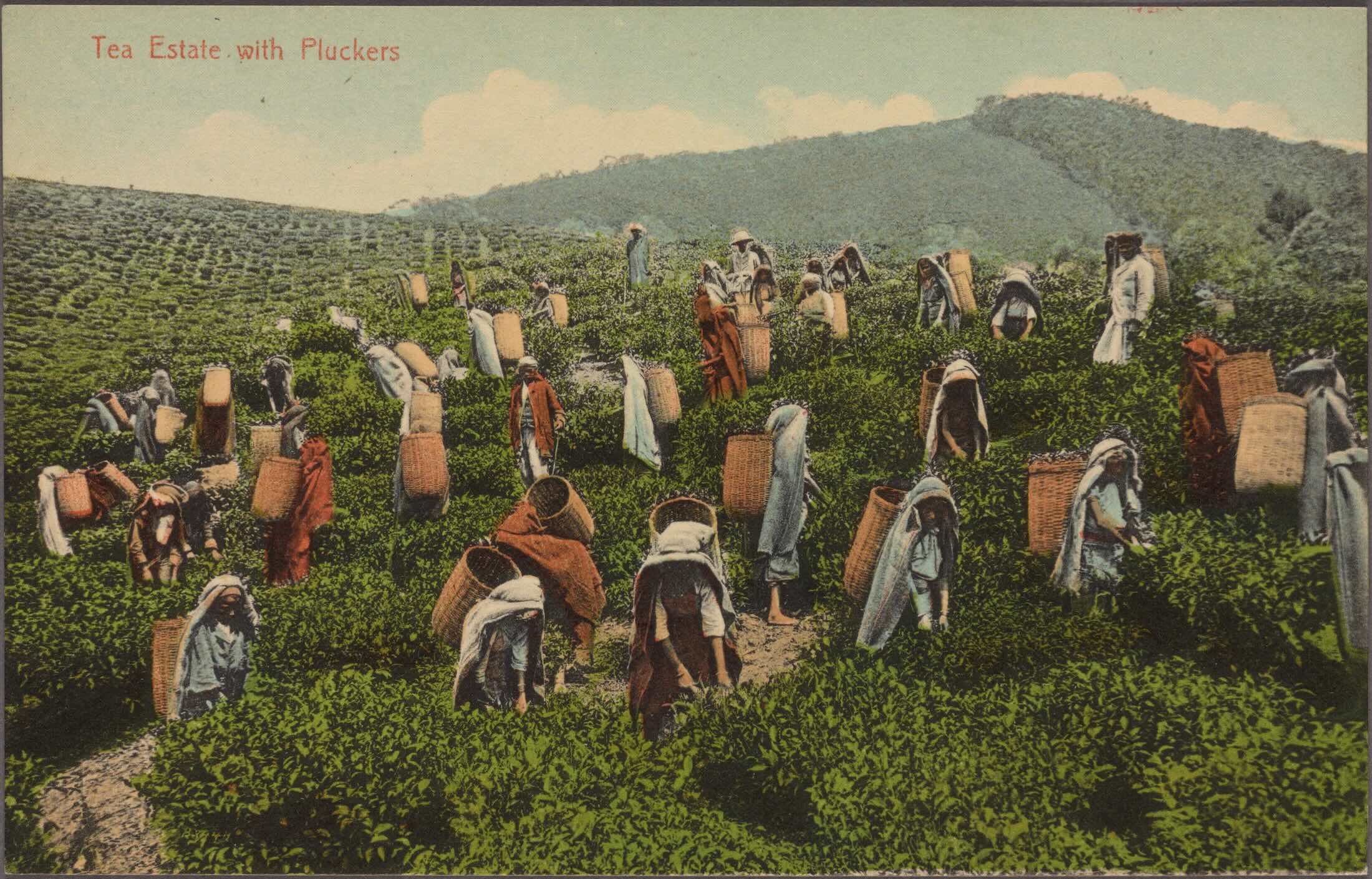
Initially, the primary variety of tea used in sweet tea was green tea. It wasn’t until the 20th century that British-owned plantations in eastern Sri Lanka and India began flooding the tea market with black tea, which was cheaper than green tea. So, southerners began making tea with black tea. By 1879, the first recipe that called for sweetening tea after it had been chilled appeared in Housekeeping in Old Virginia.
A Sri Lankan tea estate with pluckers or people who remove tea leaves from the plant. Courtesy of The New York Public Library.
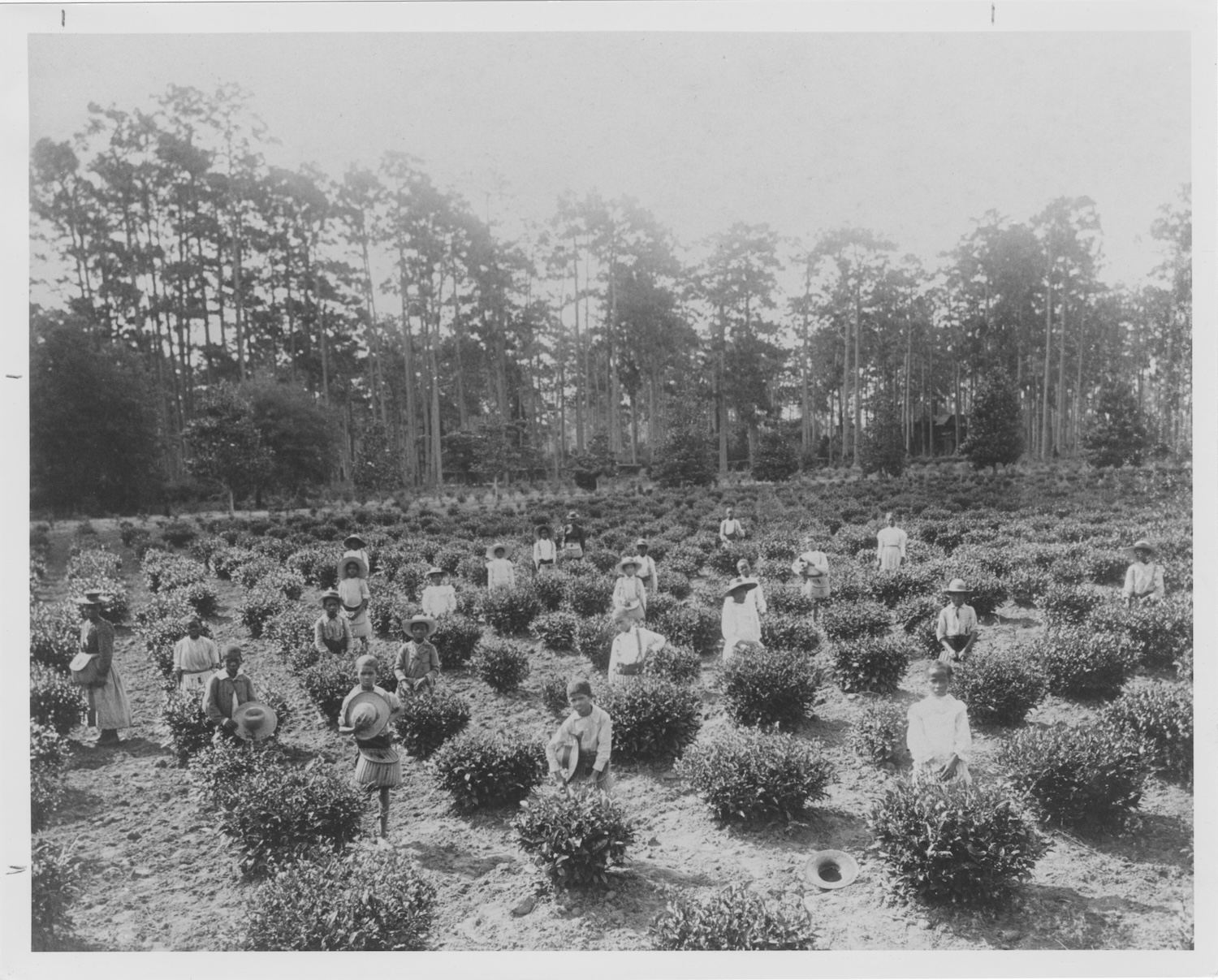
African American children harvesting tea at Pinehurst Tea Plantation in Summerville, South Carolina. From the Pinehurst (Dorchester County, S.C.) Records, 1892-1911(1295) at the South Carolina Historical Society.
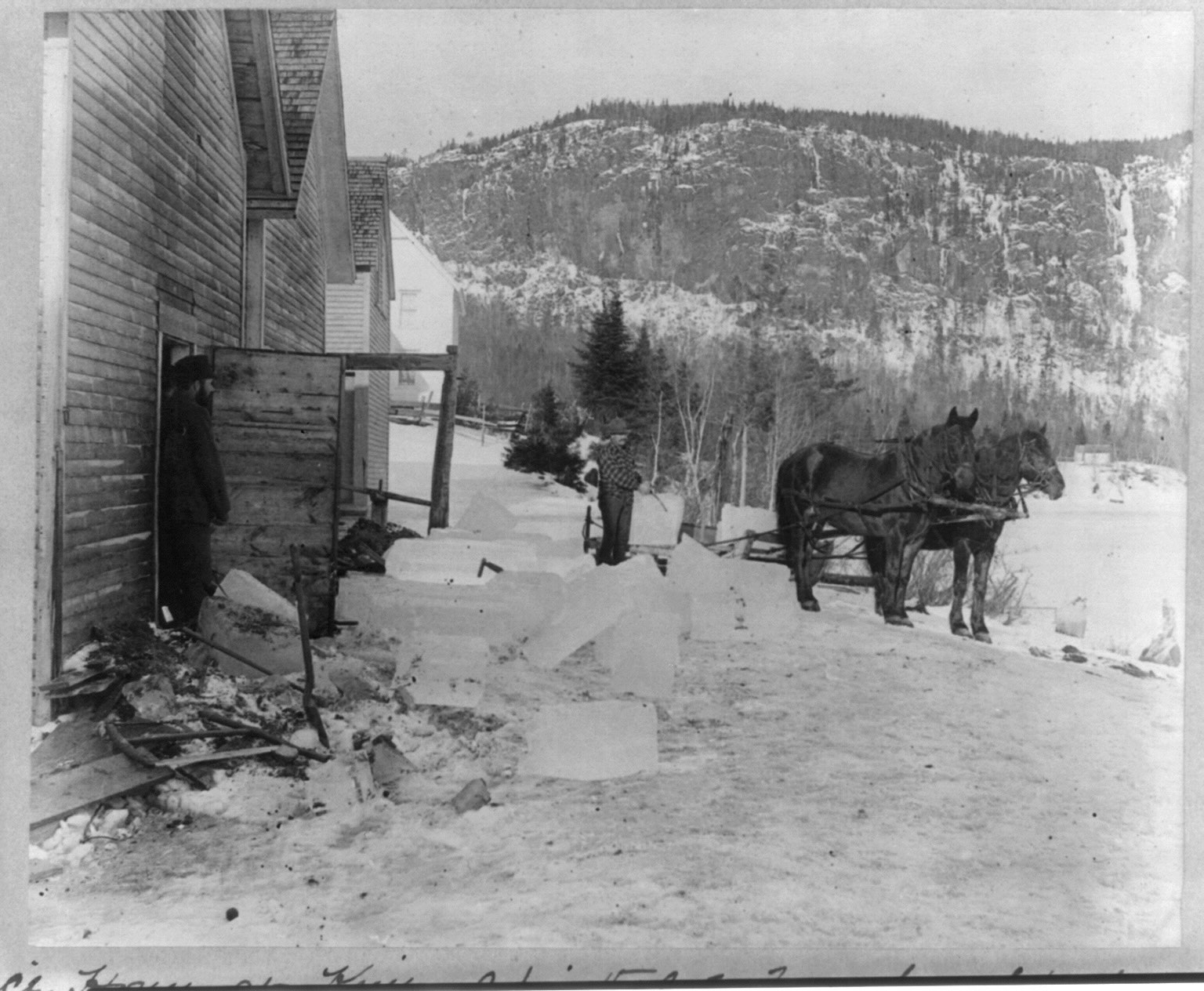
Iced sweet tea was popular in the northern United States, but it took longer to gain popularity in the South. The North had access to ice, which could be harvested from lakes and ponds in the winter and then stored in icehouses in the summer. This was simply impossible to do in the South. Even when ice could be produced mechanically in the late 19th century, it was expensive and hard for rural communities to access. The drink was still reserved for those who could afford ice and those who lived in cities where ice was readily available. It wasn’t until the late 1920s and early 1930s, when electric iceboxes became common, that southerners could enjoy iced tea.
Ice would be harvested from lakes and stored in icehouses. This is an icehouse being filled at Mt. Kineo, Moosehead Lake in Maine. Courtesy of Library of Congress.
In the 1980s, several publications featured southern food culture and history, but none mentioned sweet iced tea. Sweet tea was not a term used in the South in 1960s or 70s; the term “sweet tea” was referring to hot tea in other parts of the world. The term sweet tea didn’t become popular until the 1990s, when iced tea and sweetness were linked through publications like newspapers. Alabama’s Anniston Star said, “It’s not Southern tea (and in the South isn’t worth much) if it doesn’t have a lot of sugar added to it way in advance.” Sweet tea had become a southern beverage.
It’s common to see sweet tea on menus across the South. Even fast-food restaurants have sweet tea on their menus: McDonald’s added sweet tea to their national menu in 2008. Fast-food restaurants played a significant role in popularizing sweet tea across the nation, with establishments like Chick-fil-A, Raising Cane’s, and McAlister’s Deli contributing to its widespread adoption. Sweet tea is the perfect drink to make at home on a hot summer day, too.
A nice refreshing glass of sweet tea. Courtesy of MzScarlett. CC BY 2.0.