Macaroni and cheese has become one of the quintessential southern dishes. Whether the stovetop or baked variety, this dish has been gracing not only southern tables but tables all across the nation for decades. The most straightforward recipe for the dish requires boiling macaroni noodles to the desired level of doneness. While the pasta is cooking, make a béchamel sauce by combining butter, salt, flour, pepper, and milk over medium heat until well combined. Stir the cheese into the béchamel sauce. Then mix the macaroni noodles with the cheese sauce and bake until the top is golden brown.
Humans have been combining pasta and cheese for thousands of years. The earliest mention of something like mac and cheese was in 160 BCE, when a Roman senator mentioned in an essay a dish made with layers of cheese and whole-grain dough. In the 13th century, a recipe for layered cheese and pasta emerged, and the first mention of macaroni appeared in 1279, when the noodles were listed in the inventory of a deceased military officer’s belongings. In 1465, chef Martino da Como published a cookbook featuring butter and cheese-based pasta, known as Roman macaroni. Macaroni and cheese at this point was mainly made in Italy.
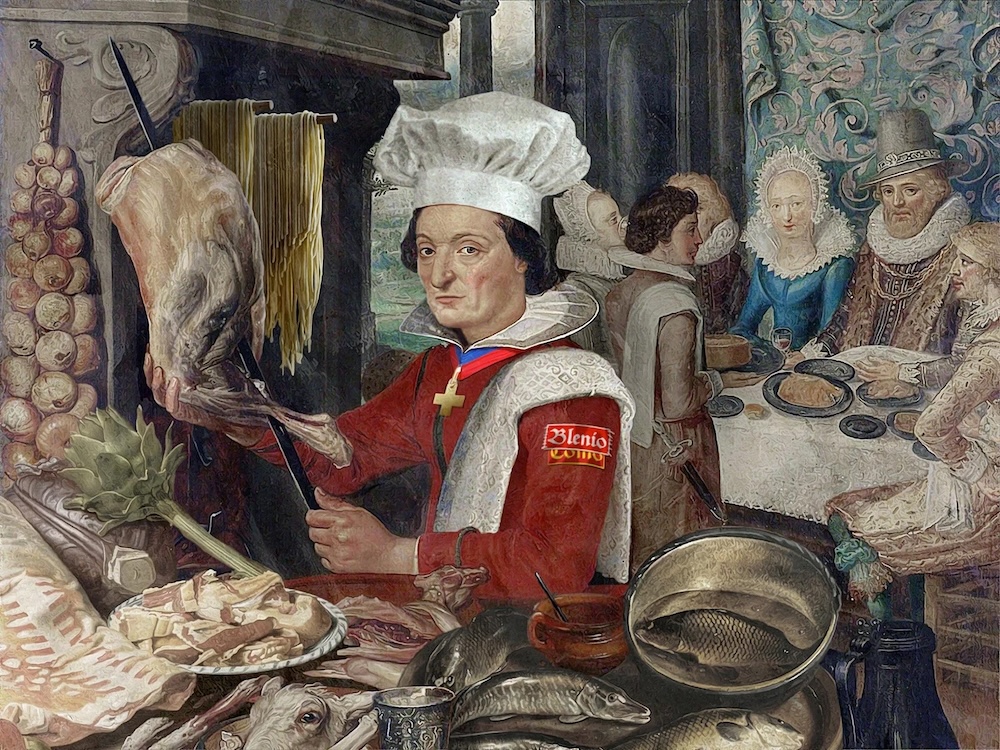
Martino da Como wrote Liber de artecoquinaria,a cookbook which included Roman macaroni. Courtesy of the Swiss National Museum.
Macaroni and cheese is believed to have arrived in France through Catherine de Medici, an Italian woman who became the Queen of France. The dish, known as “maccheroni alla parmigiana” in Italy, was made with baked layers of grated Parmesan, tomato sauce, and pasta. Those ingredients were expensive and were eaten primarily by the wealthy. The dish gained popularity among French royalty and nobility. The dish gained popularity amongst other European nations, with each nation putting its spin on it. In France, the dish was made with béchamel sauce and Gruyère cheese.
Macaroni and cheese originated in France and then brought to America by Thomas Jefferson and his enslaved chef, James Hemings. Jefferson was a well-known Francophile, serving as the American minister to France from 1784 to 1789. Hemings traveled with Jefferson to France because Jefferson wanted a French chef at Monticello and had Hemings trained in Paris. Hemings was the half-brother of Martha Jefferson, wife of Thomas Jefferson. Historians are unsure whether Jefferson encountered macaroni and cheese in France or Italy. Hemings traveled with Jefferson to France, where he was trained by Parisian chefs. Hemings learned to make macaroni and cheese and adapted the recipe. Jefferson loved macaroni and cheese. He served macaroni pie, the precursor to macaroni and cheese, to dinner guests in February 1802. In 1807, he purchased 80 pounds of Parmesan cheese and 60 pounds of macaroni noodles.
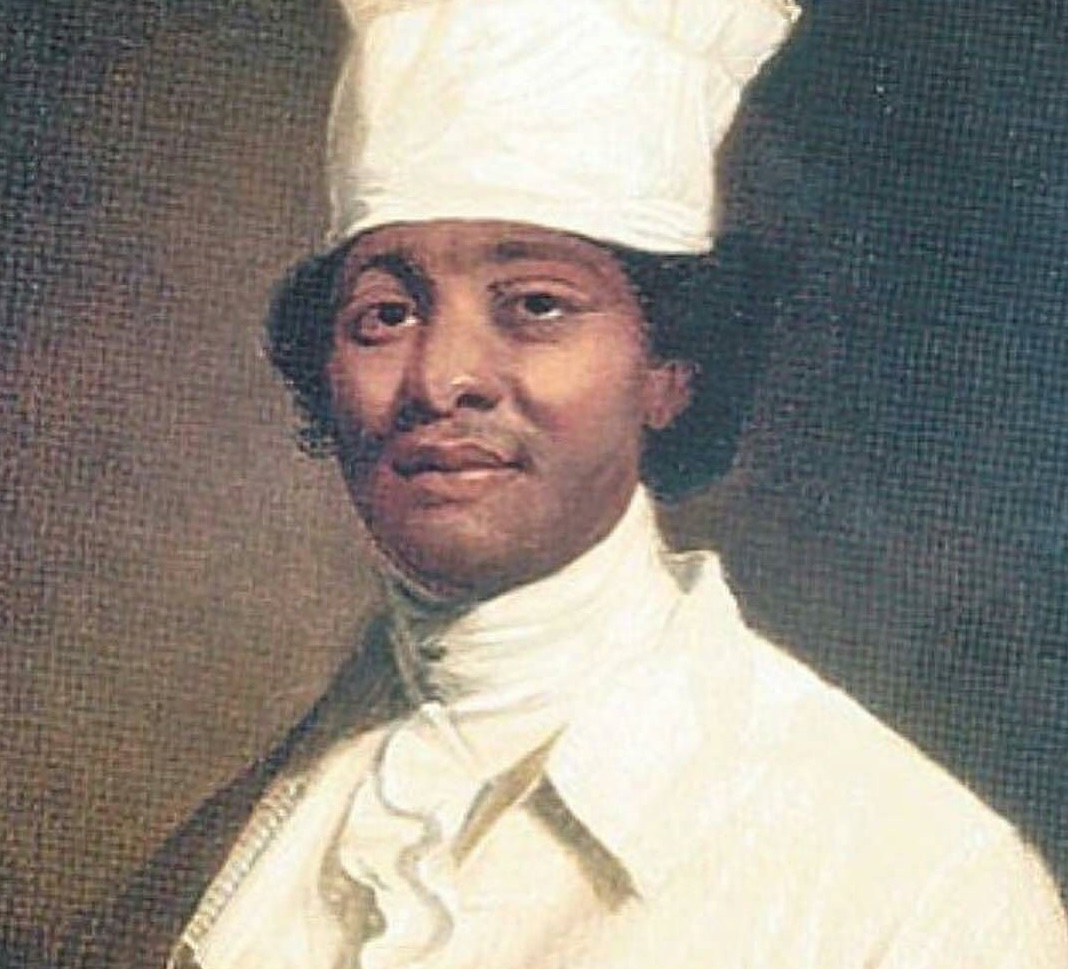
James Hemings was a talented chef, so much so that Jefferson asked him to be the head chef at the White House in 1801. Hemings was freed by Jefferson in 1796 after training his brother to be his replacement. James Hemings ultimately turned Jefferson down for the position. Courtesy of Nelson Suarez. CC-SA 2.0.
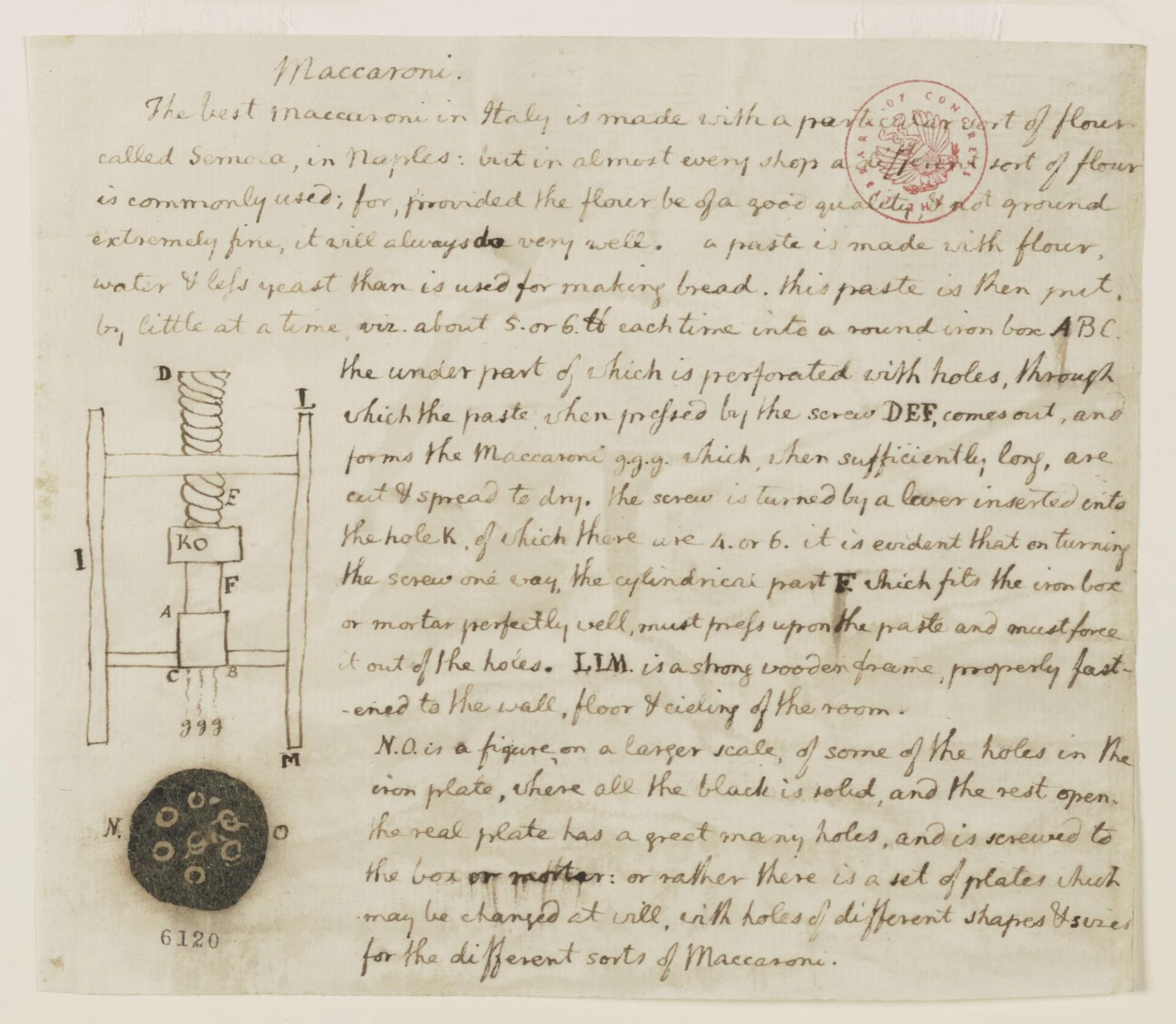
In 1787,Thomas Jefferson drew a macaroni machine and included instructions for making pasta.The drawing has a sectional view of the machine showing holes from which dough could be extruded. Courtesy of Library of Congress.
During most of the 1800s, mac and cheese was still being consumed by the wealthy and was often prepared by enslaved Black women in kitchens. Even after slavery ended, Black women were still preparing food in the kitchens of the elite families of the U.S. South. Those cooks were responsible for preserving the tradition of the dish. By the late 1800s, a new working class had emerged in the nation, and as such, both policymakers and nutritionists were trying to feed a growing population. Macaroni proved to be a viable solution. Macaroni could be produced cheaply and became more available. Several nutritionists at the time claimed that macaroni was not only nutritious but economical.
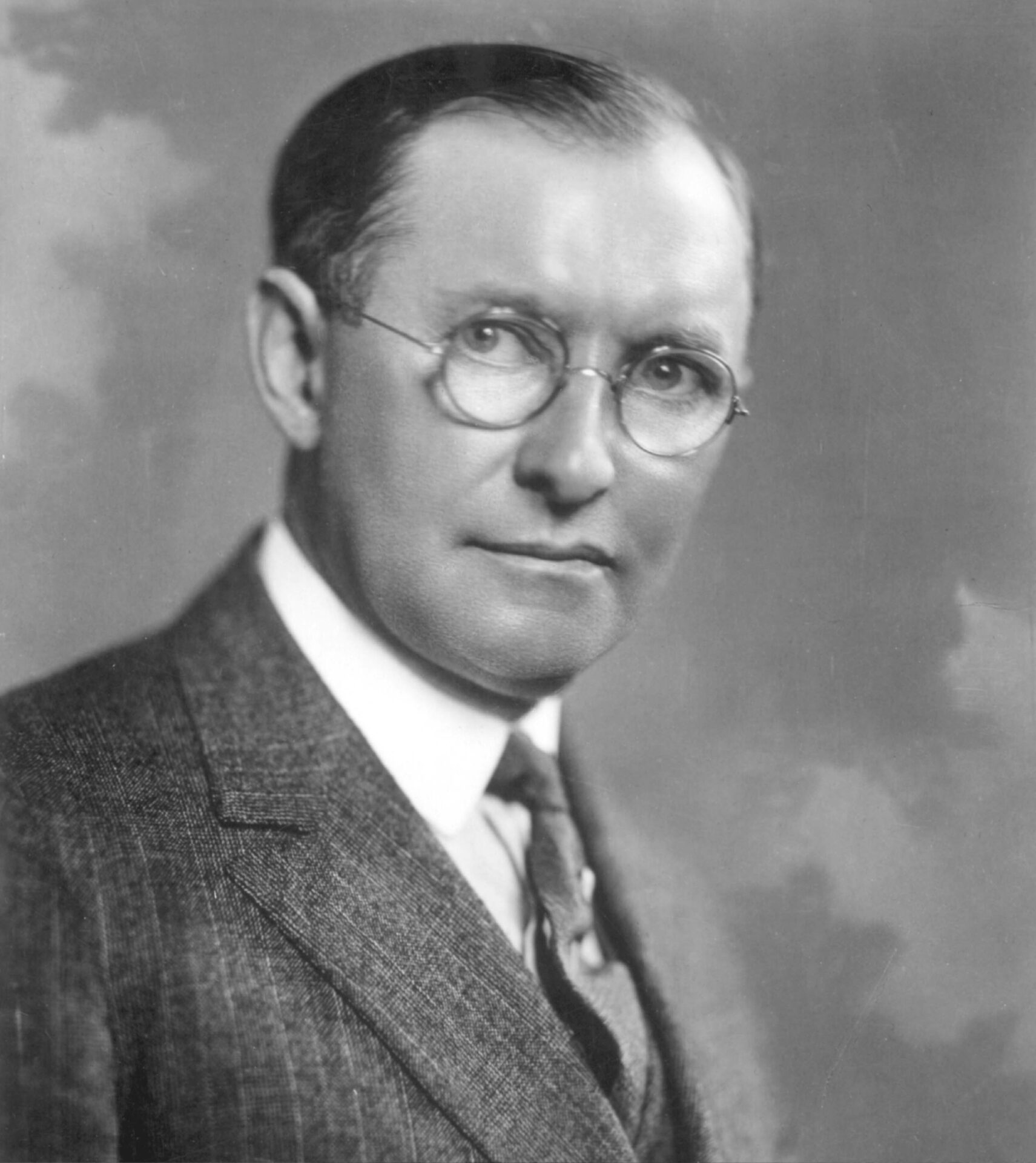
The real game-changer for macaroni and cheese can be attributed to James Lewis Kraft, who bundled and sold his processed cheese to the United States government during World War I. Towards the end of the Great Depression, Kraft launched Kraft Dinner, which quickly gained popularity, making the dish a mainstream food item. This is a stovetop option and requires no baking. Today, over one million boxes of Kraft Foods’ Macaroni and Cheese are sold daily. American macaroni and cheese originated in a southern state and has been closely tied to the South ever since.
James Kraft, the father of boxMac and Cheese. Courtesy of Wikimedia Commons.
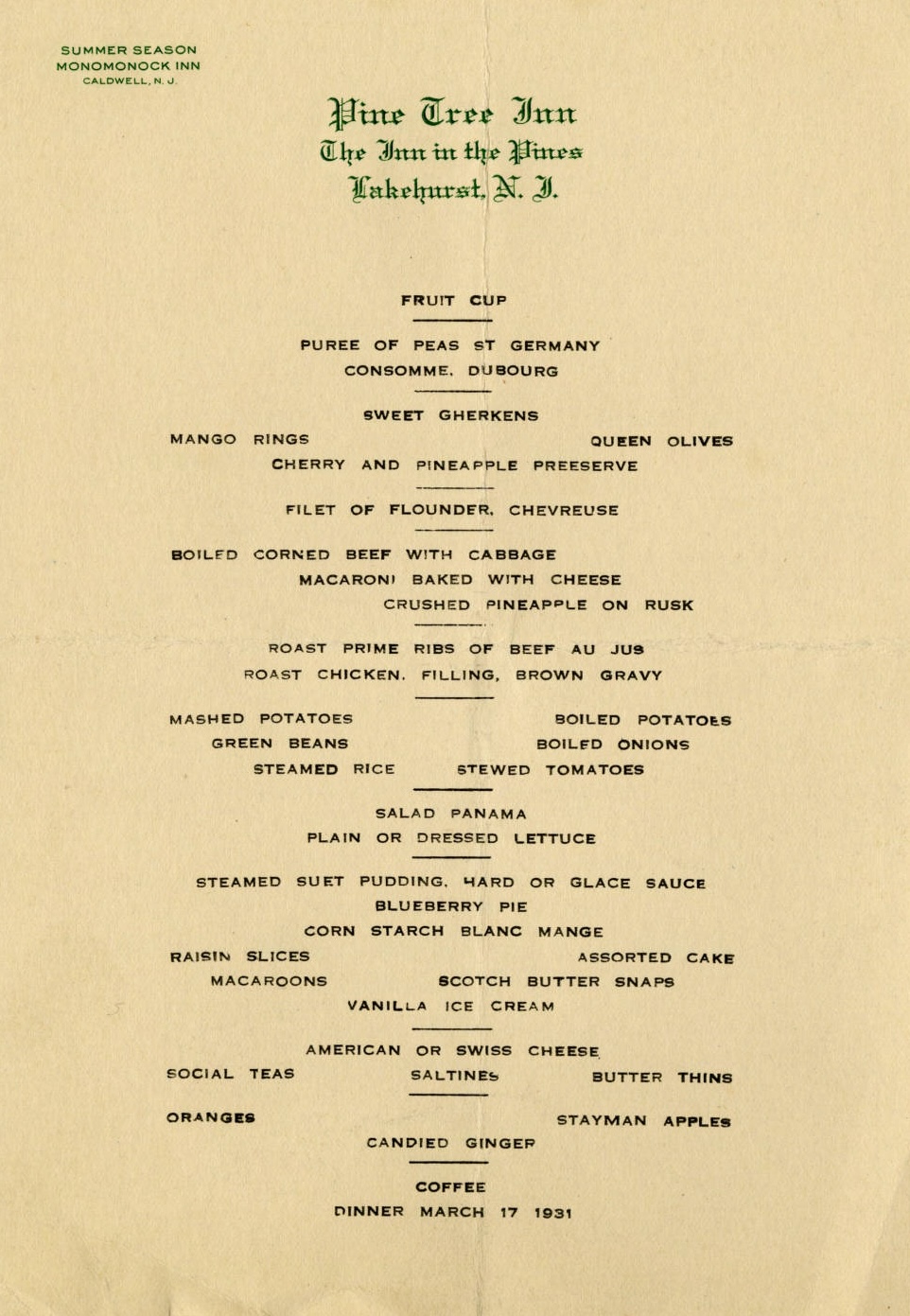
The Pine Tree Inn in Lakehurst, New Jersey, featured baked macaroni and cheese on its menu in 1931. Courtesy of the Culinary Institute of America.
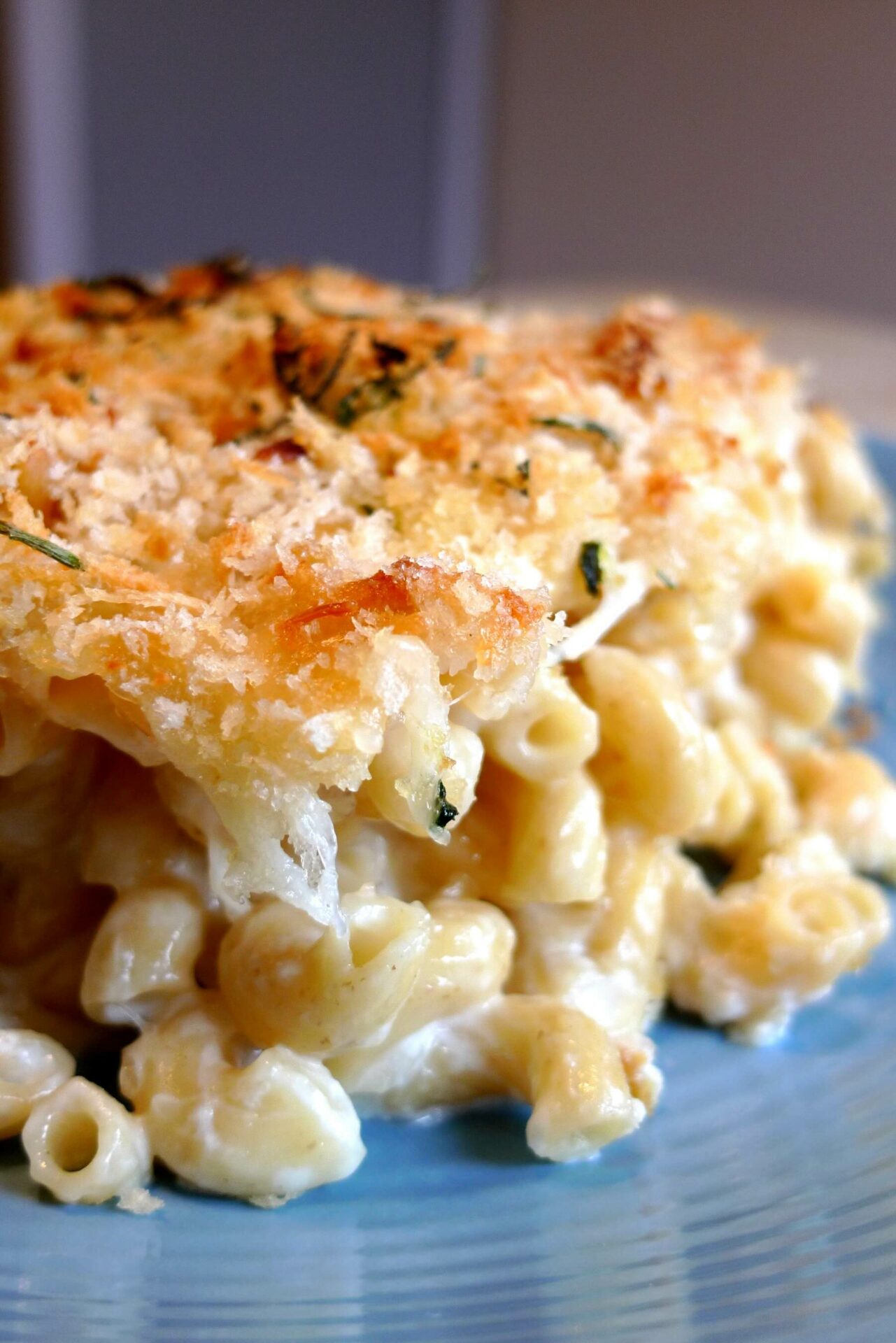
A warm serving of baked mac and cheese featuring a nice crust on top. Courtesy of Leoslo. CC BY-NC-ND 2.0.
Today, macaroni and cheese is often eaten as either a side dish or a main course. It has even been enhanced by using cheeses like Brie, Gruyère, and Gouda. Today, people are adding proteins like lobster, crab, tofu, and bacon, to name a few. Whether you enjoy stovetop, baked, or even box macaroni and cheese, it’s a treat.