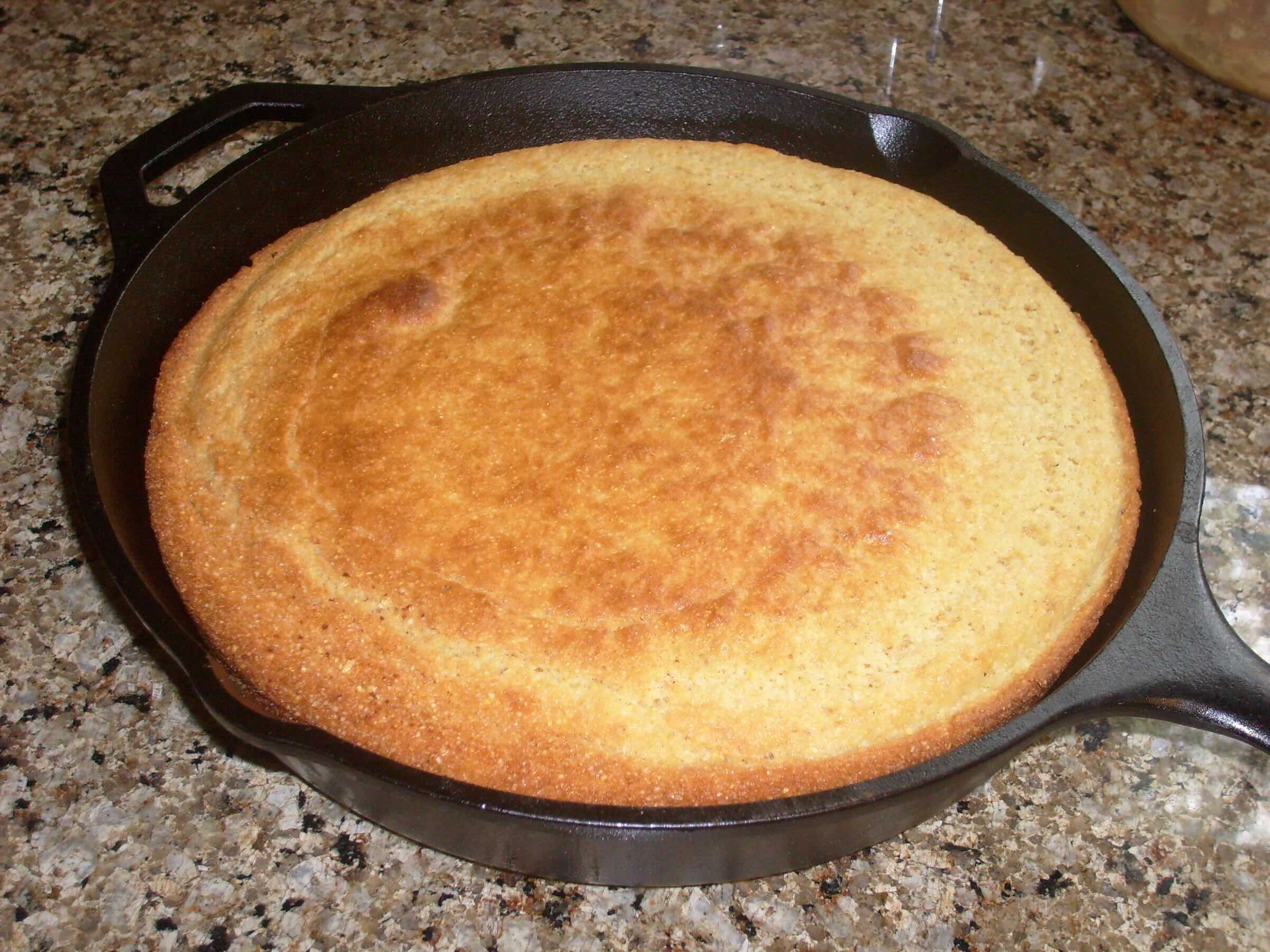
Cornbread is one of the South’s favorite breads. It is warm and delicious with both sweet and savory versions and a dense, crumbly texture. Cornbread is baked until golden brown and often served with butter or a drizzle of honey. The cornbread that people are most familiar with today evolved as new people arrived in the Americas and contributed to the dish’s taste and gradual evolution.
This quintessential southern dish traces its origins to the Indigenous peoples of the Americas. Corn, or maize, originated from the domestication and selective breeding of wild grasses in what is now Mexico over 7,000 years ago. As farmers cultivated those wild grasses and civilizations spread and grew over time, corn flourished in the Americas, becoming a staple in the diets of Indigenous peoples.
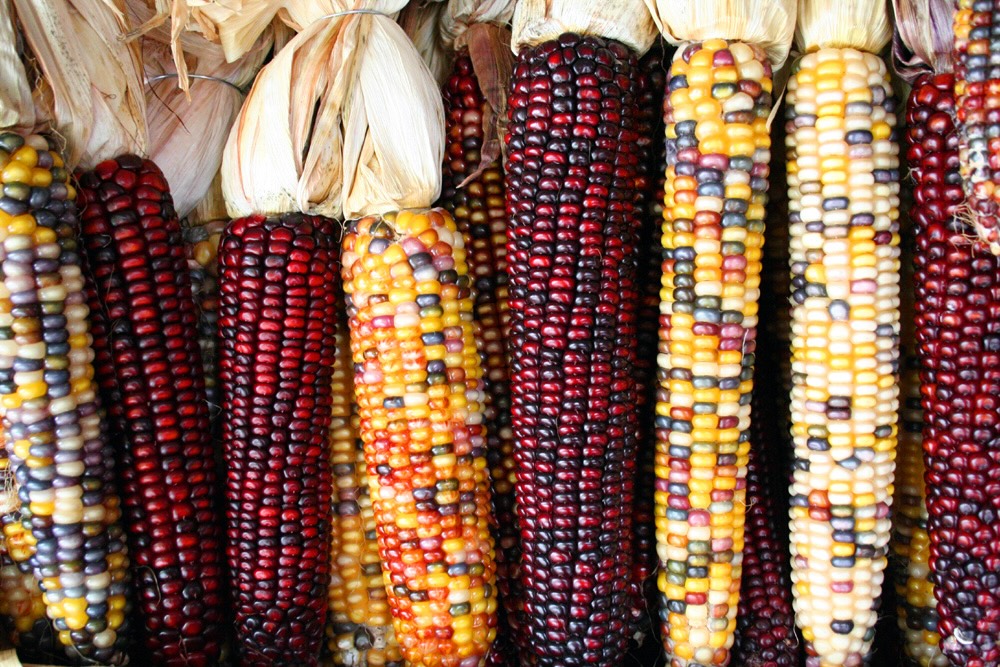
An image of Flint and Calico Corn, one of the three types of maize cultivated by Indigenous peoples in North America. Courtesy of World History Encyclopedia. CC BY-SA.
Early cornbread was made from cornmeal, salt, and water, and was baked over an open fire or in a hearth. This type of cornbread was very different from the cornbread that people enjoy today. It had minimal flavor, but it did provide energy and sustenance. Iroquois messengers who traveled between villages carried cornmeal and mixed it with water to eat as a quick meal. The Iroquoian peoples lived around the Great Lakes, including Ontario, Huron, and Erie, in present-day New York and Pennsylvania, as well as southern Ontario and Quebec.
Indigenous peoples introduced corn to European colonizers and taught them to grow and cultivate it. Colonists had attempted to grow wheat as they were accustomed to doing in Europe, but it proved to be much more challenging in places like New England due to the climate and soil conditions. They had to adapt to corn quickly, and it became an essential part of their diets. By the 18th century, cornbread had evolved into the delicious bread we know today. Colonists began adding things like butter, milk, and molasses to the batter to enhance the taste. They would then bake the batter into patties or dry them into hoecakes.
Cornmeal also became a vital part of the diet of the enslaved. Enslaved people were typically given poor rations, leftovers, and the undesirable parts of animals. Enslaved people had to supplement their meals with items like cornbread. They baked cornbread in a cast-iron skillet, adding ingredients like molasses or pork drippings to improve the taste of the bread. They also made hoecakes and ashcakes by cooking cornbread right on hot ashes or coals.
In the South, savory cornbread is more popular than the sweeter varieties that can also be found in the region. In Texas, for example, cornbread can feature cheese and jalapenos. Cornbread can be found on menus across the country and has even made its way into fine dining and upscale restaurants. It is also easy to make at home from scratch or with a box of Jiffy Corn Muffin Mix.
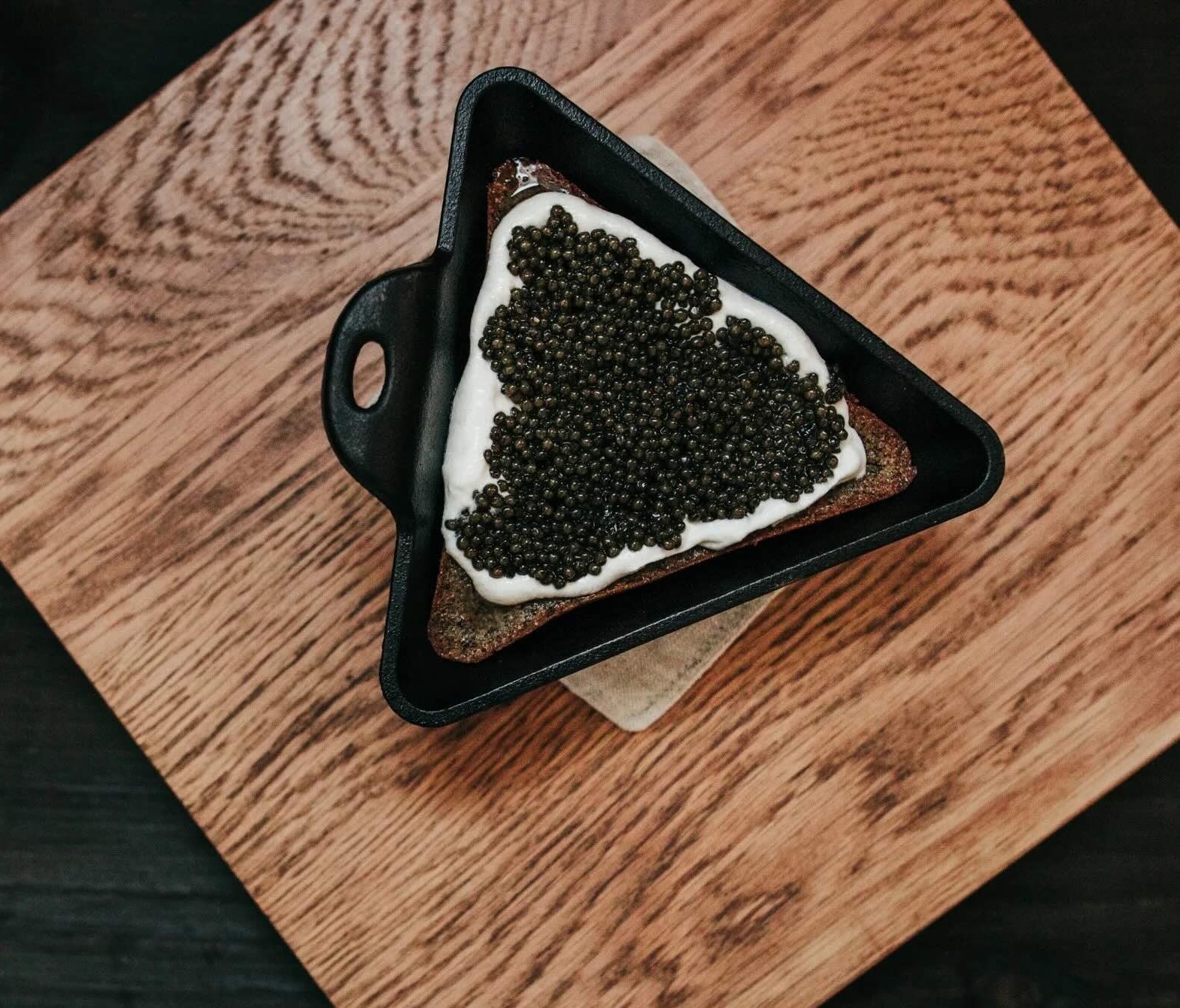
Caviar and Cornbread served at Birdsong in San Francisco, California. Cornbread had very humble beginnings but has been reimagined by fine dining restaurants like Birdsong. Courtesy of Birdsong.
The Chelsea Milling Company is the owner of Jiffy Corn Muffin Mix. Jiffy Mix was created by Mabel White Holmes in 1930. Holmes was the wife of Howard Holmes, who ran the company until his death in 1936 at which time she became company president. Courtesy of Dwight Burdette.
Cornbread is one of the South’s favorite sides, so much so that it has made its way into music, notably in “Cornbread and Butterbeans,” a love song first recorded in the 1940s and later covered by many groups, including the Carolina Chocolate Drops. Cornbread was also featured in the 1949 jump blues song “Beans and Cornbread” by Louis Jordan and the Tympany Five. Jordan’s song was the theme song for TBS’s Dinner and a Movie.
A skillet of baked cornbread. Courtesy of David Baxter. CC BY-ND 2.0.