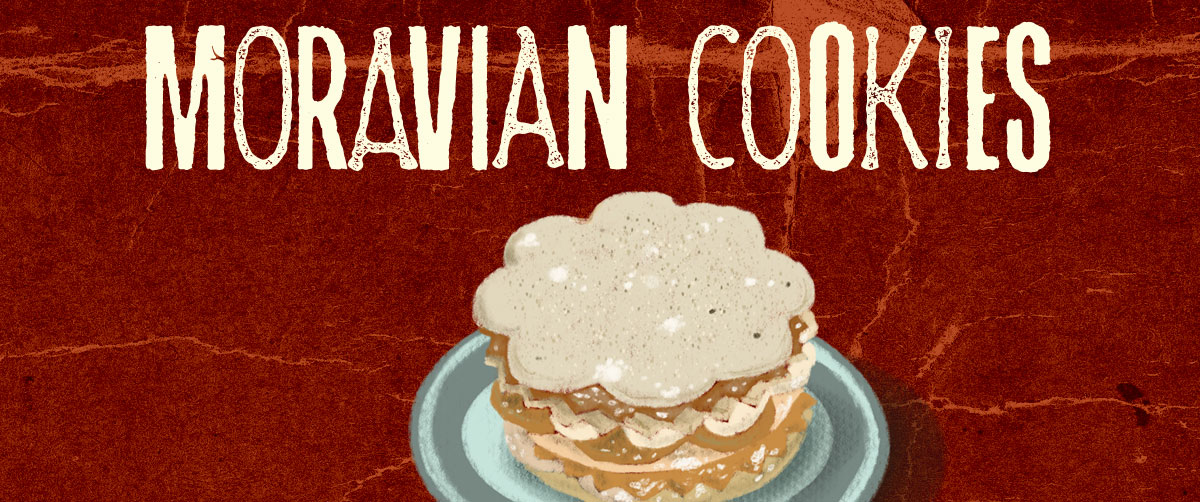
Moravian cookies are thin, spiced treats traditionally made by Moravians. Almost all commercially produced Moravian cookies are made in North Carolina. A fourth-grade class has requested that the cookie become North Carolina’s official state cookie, and that process is well underway in North Carolina’s legislature.
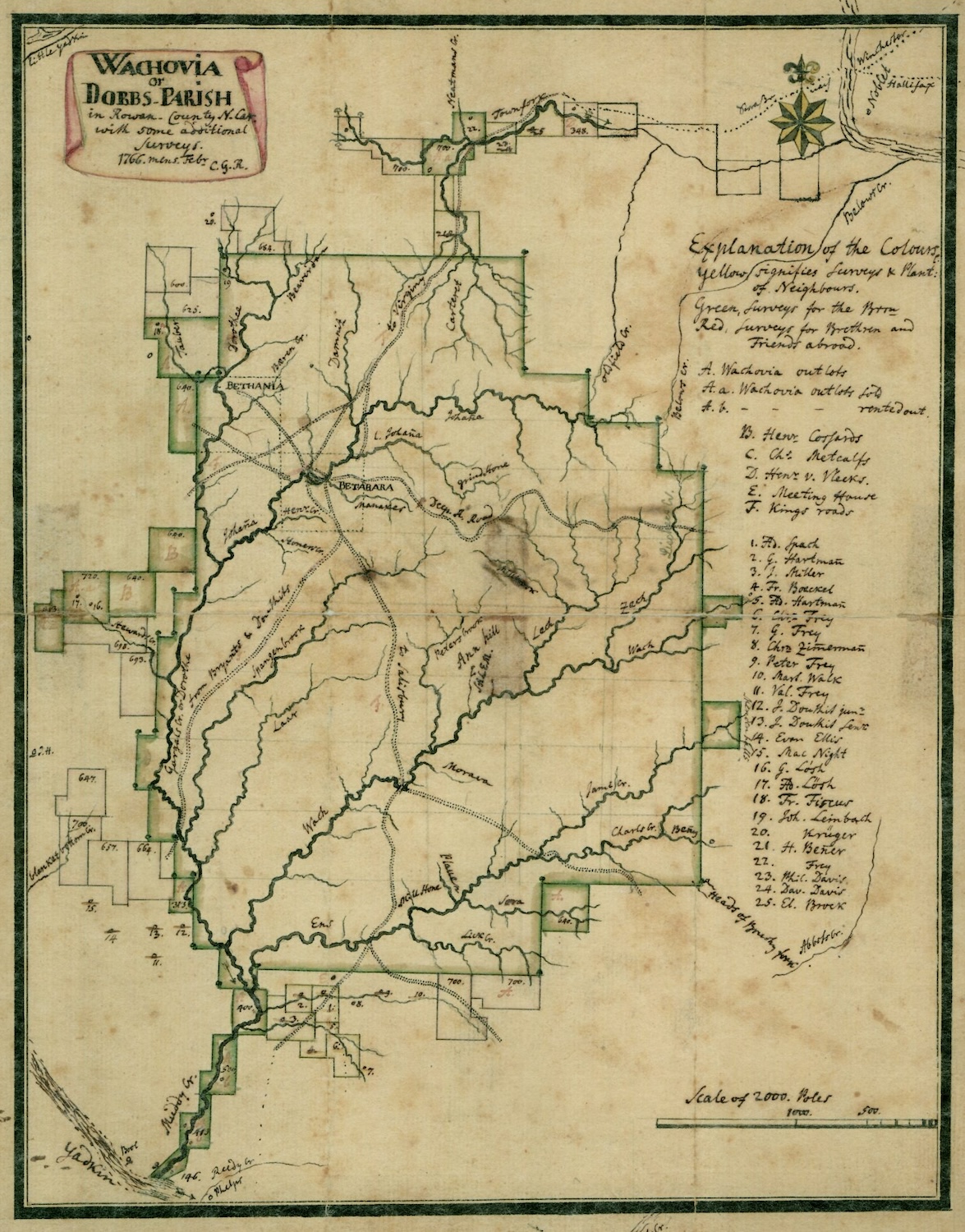
Moravians are a devout Christian denomination that originated in what is now Germany and the Czech Republic. Moravians first came to North America seeking religious freedom in 1733, and the group formally established itself in Pennsylvania in 1741. In 1752, a survey exhibition purchased 100,000 acres of farmland in North Carolina; the land became known as the Wachovia Tract. The Wachovia Tract was primarily in Forsyth County. The Moravians who settled there built the villages of Bethabara, Bethania, Salem, and other rural communities.
The Wachovia Tract in 1766. The first Moravians to arrive in North Carolina walked all the way from Bethlehem, Pennsylvania to Bethabara (in what is today Winston-Salem, North Carolina).That’s a seven-day journey by foot. Courtesy of the Moravian Archives.
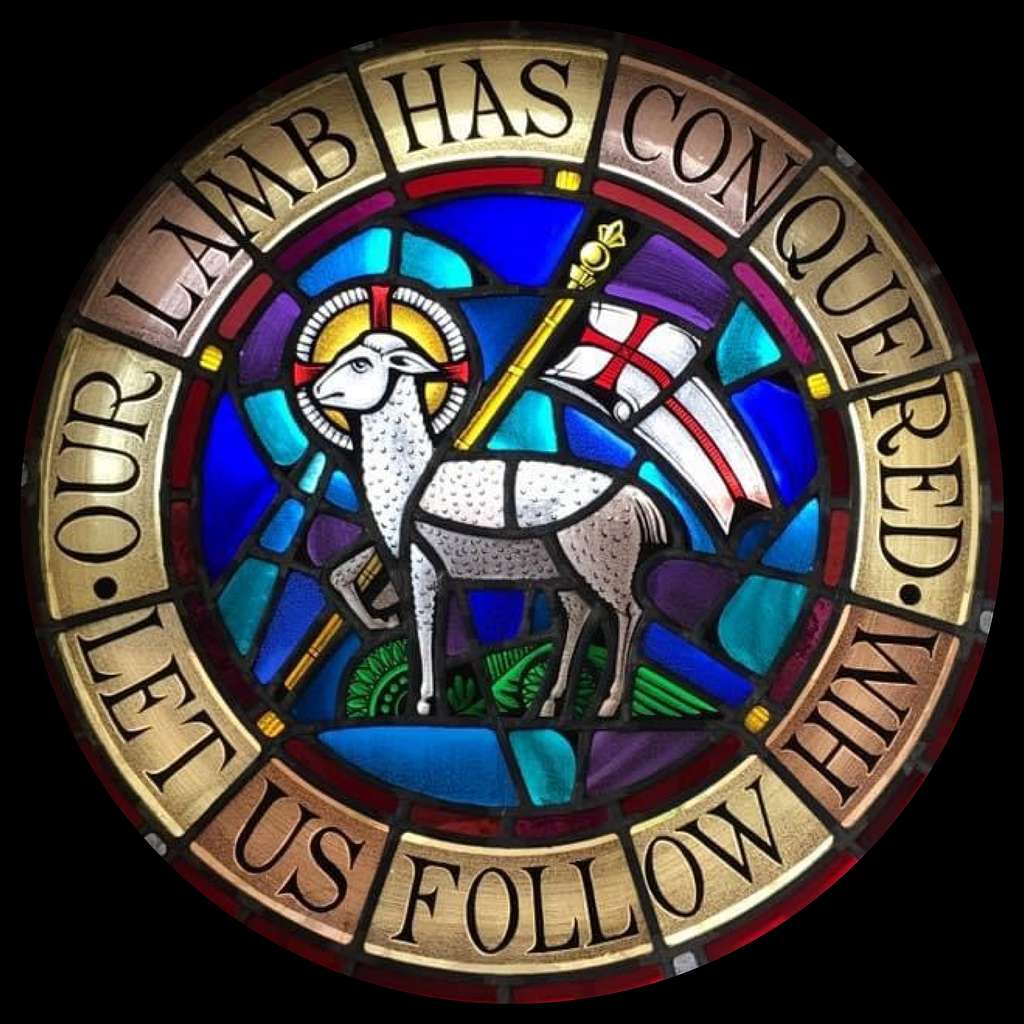
The seal of the Moravian Church features the Lamb of God, which represents Jesus Christ, and the flag is a banner of freedom. Courtesy of Wikimedia Commons.
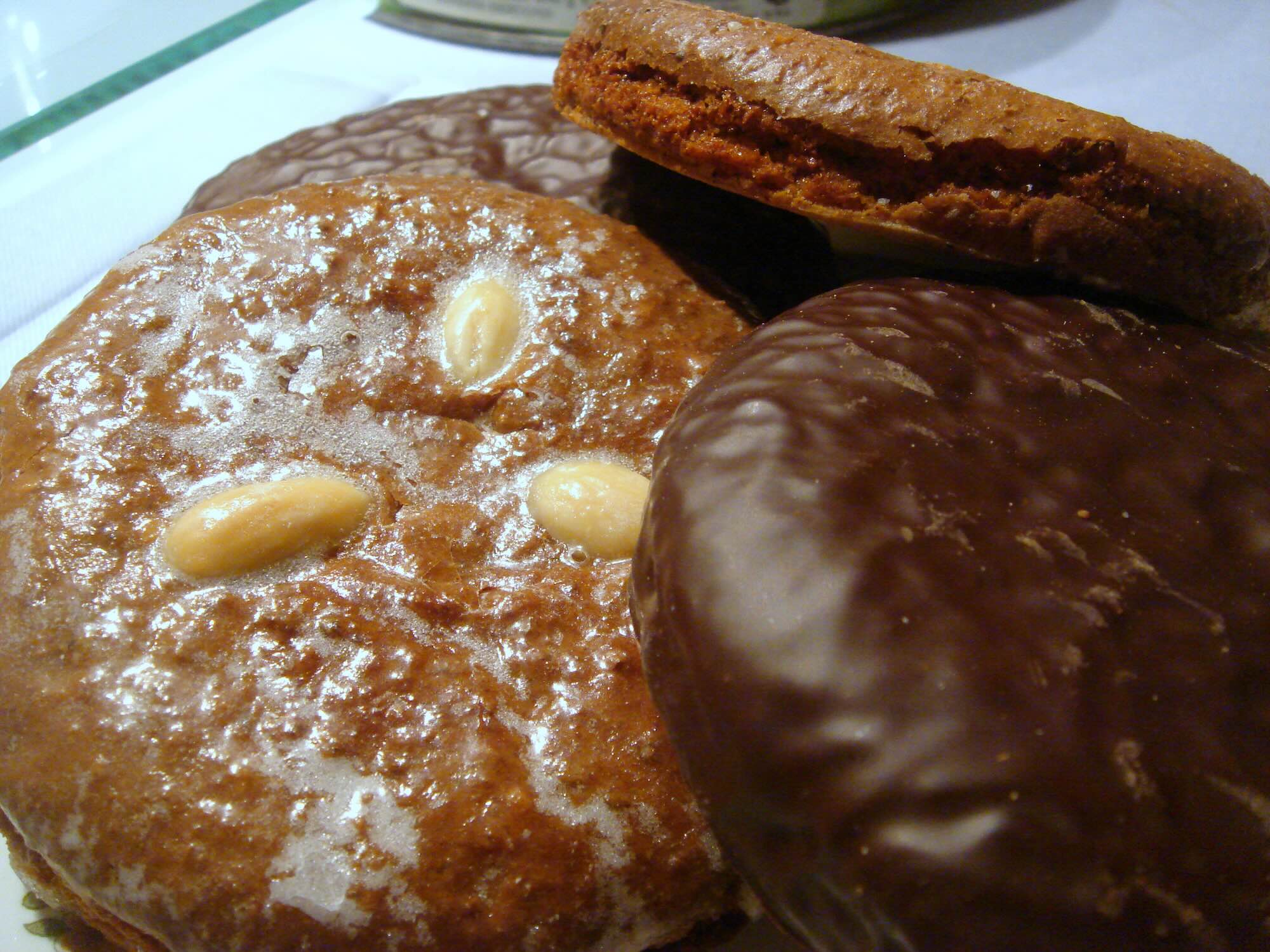
The traditional Moravian cookie is spiced with things like ginger, cloves, and molasses, all of which traveled well. Spices were expensive, so the cookies were made around the holidays, like Christmas,and other special occasions. Early Moravians called the cookies ‘cakes’ the word cookie didn’t come about until the mid-1800s. Moravian cookies are a culinary descendant of the German Lebkuchen cookie which is a chewy gingerbread-like cookie that is denser, richer, and spiced with things like cinnamon, cloves, and ginger. Lebkuchen are thicker and usually contain nuts and can be glazed rectangular or round typically. Like their American cousin, Lebkuchen are also eaten at Christmas.
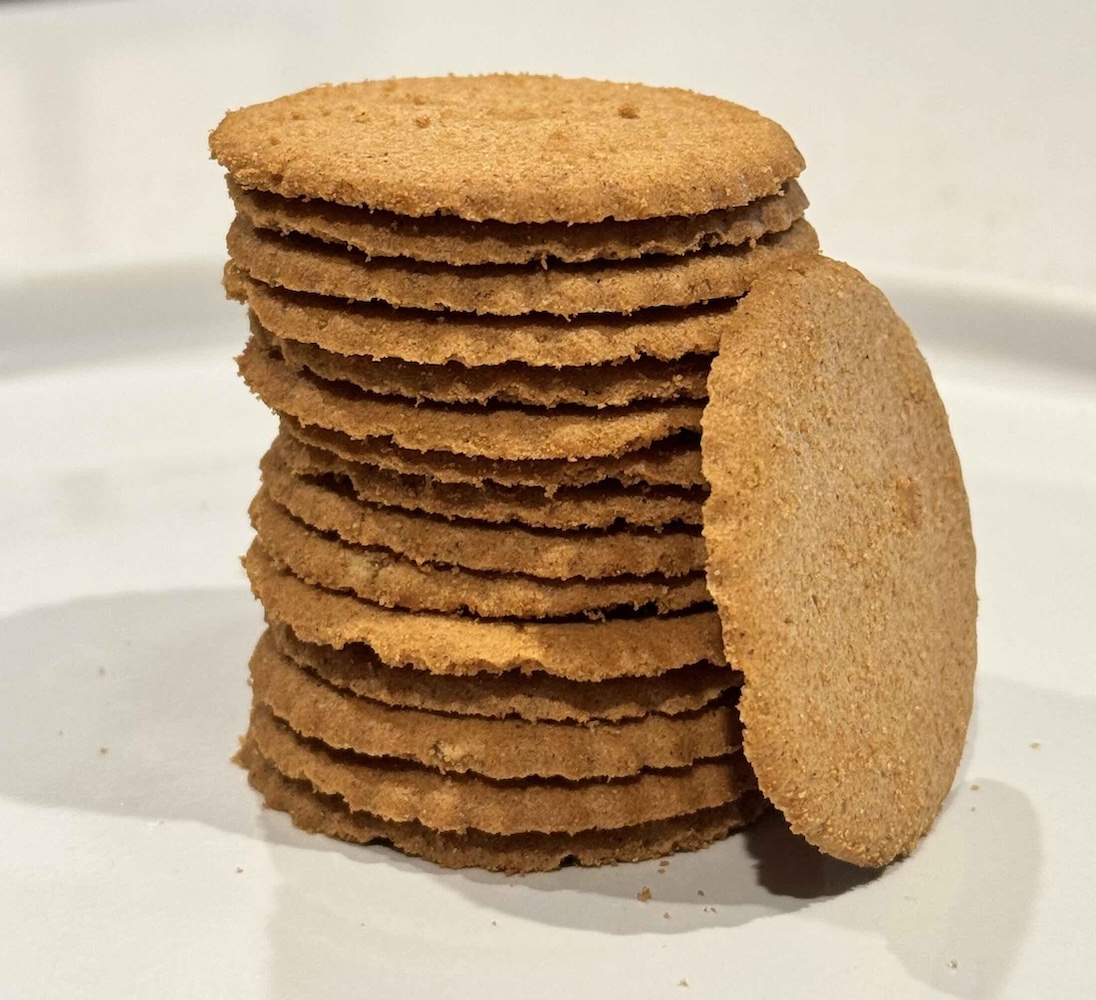
A stack of triple ginger Moravian cookies. Courtesy of Cliff and Madison Whitfield.
An assortment of Lebkuchen. Courtesy: Courtesy of Leon Brocard. CC BY 2.0.
Moravian cookies are prepared in large batches and stored for days or weeks during the winter to intensify the spices. Moravian bakers rolled out their dough into thin sheets to increase yield or to help the cookies bake faster in their wood-fired ovens. From there, they cut the dough into shapes like circles or hearts.
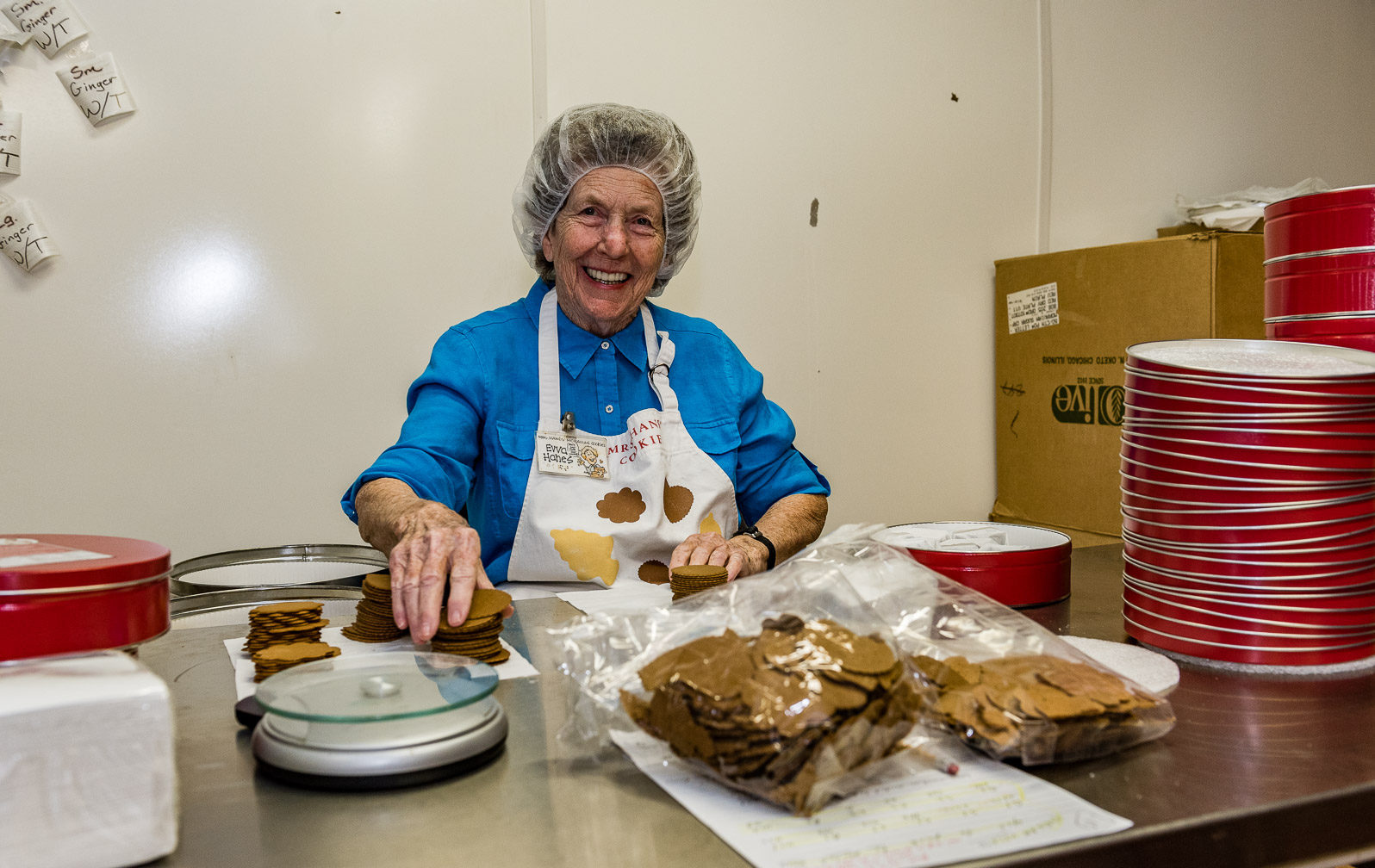
Today, almost all Moravian cookies are produced in Forsyth County, North Carolina, at bakeries like: Dewey’s Salem Baking Company, Mrs. Hanes’ Moravian Cookies, and Wilkerson Bakery. Both sell the traditional spiced cookie and have expanded to other flavors like butterscotch, lemon, orange, key lime, vanilla bean, and seasonal flavors like pumpkin spice, gingerbread, and hot cocoa. Moravian cookies can be ordered year-round with peak season during the holidays. Hanes’ Moravian Cookies has over 90,000 mail-order customers and grows annually by 10%. Workers at Mrs. Hanes’ hand-roll, hand-cut, and hand-pack 10 million cookies a year.